Available 24/7 across Delta
Technician extracting water from carpet in a Delta split-level, back turned, air mover nearby

Delta, British Columbia

Water Damage Restoration Services in Delta, BC

Delta's preferred water damage restoration company. High quality, fast restoration services including water extraction, flood cleanup, sewage backup, mold remediation, and structural drying.

4.6Rated by Delta homeowners

On the truck

Water damage restoration services in Delta

People look up restoration services in Delta when the water is already in the house. The list below is the work we actually run, from a clean supply leak to sewage, mould, and the smoke a fire leaves behind. Delta Water Damage Services keeps the drying logged instead of guessed.

The crew

Why Delta calls us for water damage restoration

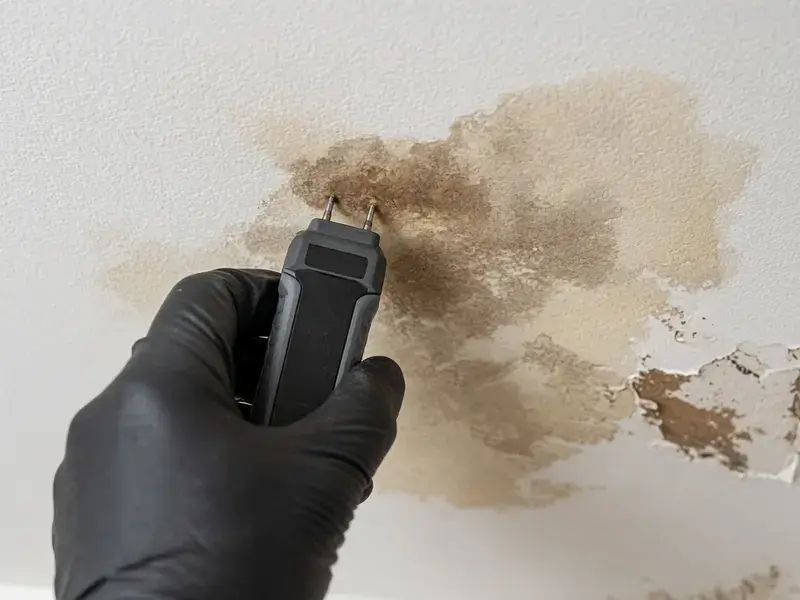
Gloved hands pressing a pin moisture meter into wet drywall in Delta
  • Moisture map before the fans

    Pin readings, a non-invasive scan, and a thermal pass go on the sketch before air movers land. Drying gear aimed at a dry wall is noise. Gear aimed at the wet bay is the job.

  • Category and class, written down

    Clean supply water, grey wash water, and black sewage are not the same scope. We class the loss the way IICRC S500 describes it, so the dry-down matches the water, not a guess.

  • Daily psychrometric logs

    Temperature, relative humidity, and grains per pound get recorded. Grain depression tells us the dehumidifier is actually pulling water, not just running.

  • One scope, start to finish

    The crew that extracts is the crew that sets the dry-out and walks the readings. You are not handed to a different company halfway through the wet phase.

  • Insurer-ready notes

    Photos, a moisture log, and a list of materials removed. Adjusters in the Lower Mainland ask for that file. We build it as the job runs.

  • Delta housing, not a generic suburb

    North Delta split-levels hide water in the subfloor. Ladner slabs sit near a high water table. Tsawwassen wind drives rain under lifted shingles. The dry-out changes with the house.

Fraser south shore

Water damage repair across the Lower Mainland

Home base is Delta: Ladner, Tsawwassen, and North Delta are the city itself, not separate towns. The priority cities outside Delta are Surrey, Burnaby, Richmond. Every other municipality sits on the hub, not in this paragraph.

See where we serve

The sequence

How a water damage restoration job actually runs

  1. Pin meter and blank tape marks mapping moisture on a Delta wall

    01

    Stop the source and make it safe

    Water off, power assessed, and a walk of the path the water took. Sewage gets containment poly before anyone tracks it through the house.

  2. LGR dehumidifier and air movers in a wet Delta hallway

    02

    Map moisture and name the category

    Pin meter, non-invasive meter, and thermal camera. We mark wet bays, record dry-standard targets, and class the water. That sketch is the job.

  3. Thermal camera scanning a wet wall in Delta

    03

    Extract free water

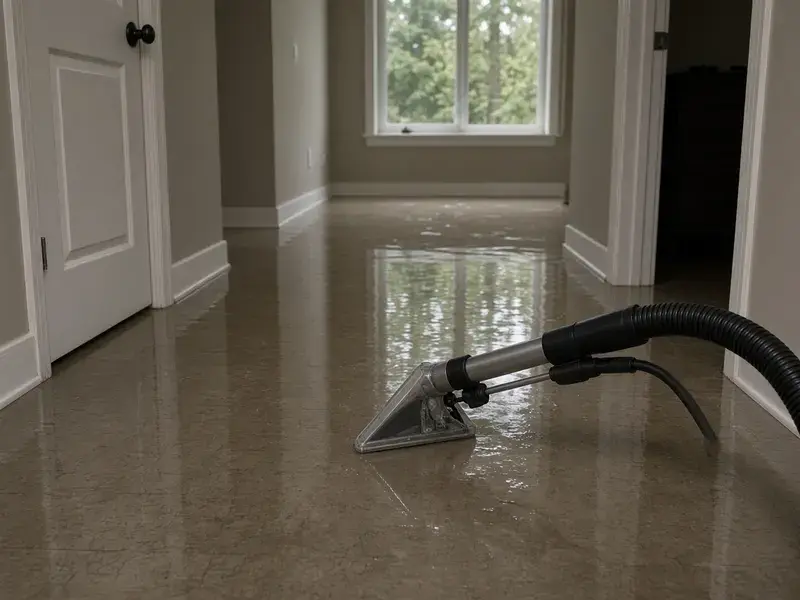
    Truck-mount or portable extractor, weighted wand on carpet, and a pump on standing water in a basement. Extraction first. Fans on a pond just aerosolize it.

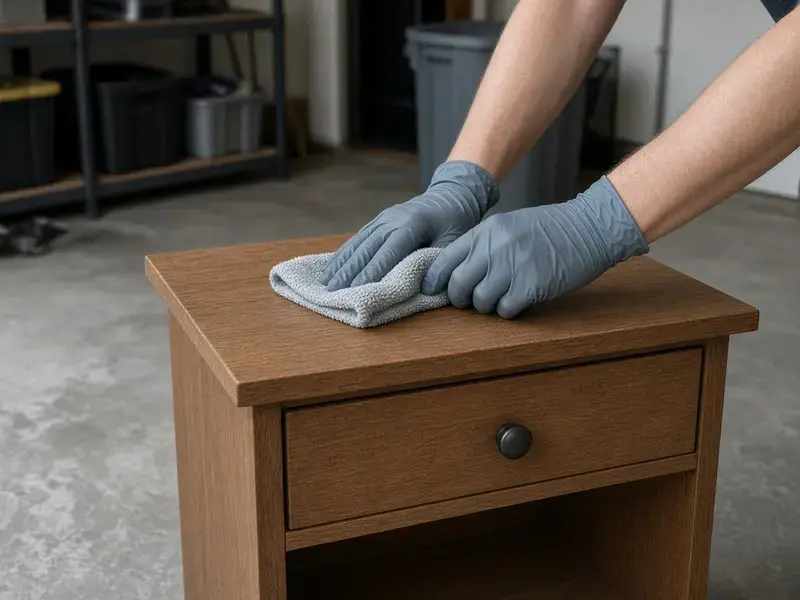
  4. Contents staged in a Delta garage while a chair is wiped

    04

    Remove what will not dry

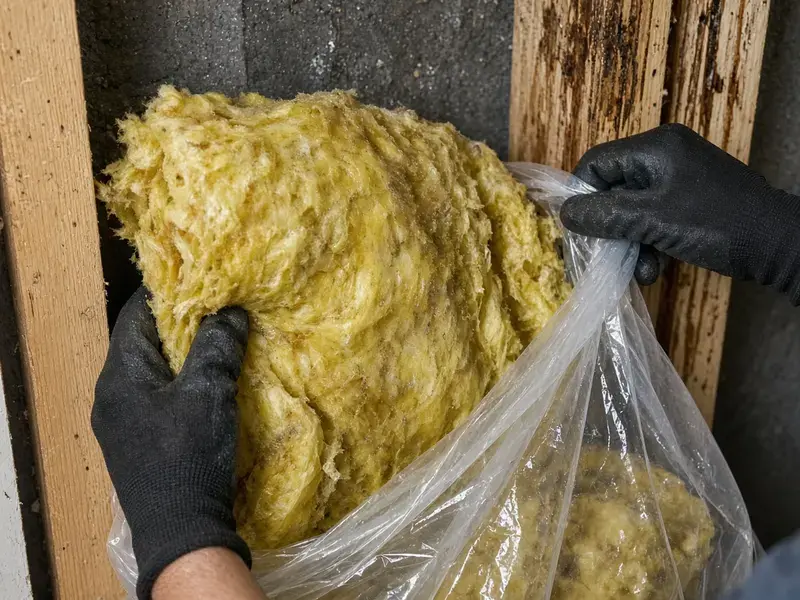
    Swollen gypsum, wet fiberglass, carpet pad, and particle-board underlayment that has already failed. Clean water in a closed wall cavity sometimes stays, with a drying plan and daily checks.

  5. Pin meter and blank tape marks mapping moisture on a Delta wall

    05

    Dry to the numbers

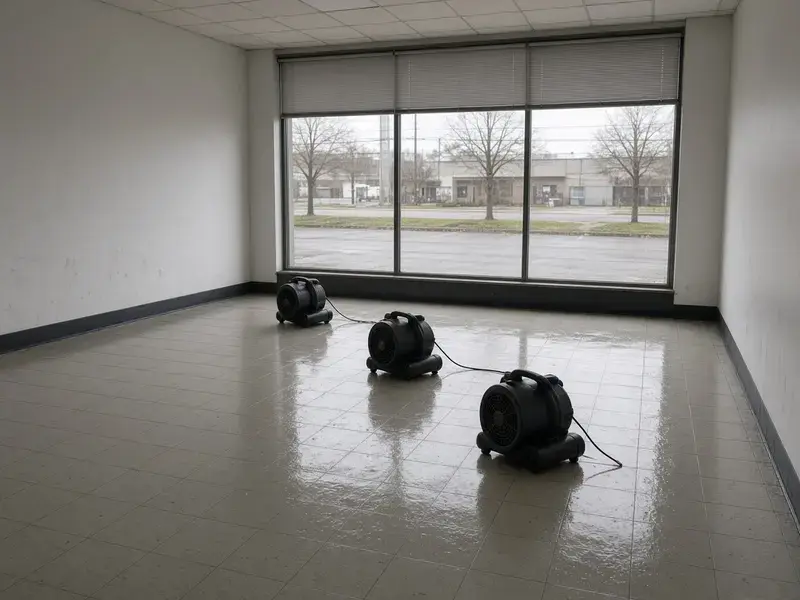
    Air movers for airflow, an LGR dehumidifier sized to the cubic volume, and a daily log until affected materials meet dry standard. Then the equipment comes out.

Questions about restoration in Delta

+Do you handle water damage restoration in Delta at night?

Yes. The line is answered day and night. A burst supply or a sump failure does not wait for morning, and neither does the extraction call.

+What is the difference between extraction and restoration?

Extraction pulls out free water. Restoration is the whole job: category and class, moisture map, demolition of what will not dry, structural drying to a dry standard, and the paperwork your insurer asks for.

+Will homeowners insurance cover a sudden leak in Delta?

Sudden and accidental leaks are often covered. Long-term seepage and flood overland water sometimes sit on a different policy. We document the source, the wet materials, and the moisture readings so the adjuster can decide. We do not promise what a policy will pay.

+Is sewage from a backup treated like clean water?

No. Sewage and toilet backups are category 3. Affected porous materials usually come out. The room is contained, and the crew works in proper protection. It is not a shop-vac job.

+How do you know a wall is dry?

We compare wet readings to dry-standard readings on the same assembly, log temperature and relative humidity, and watch grain depression. A wall that looks dry can still hold water in the cavity.

+Can you dry hardwood, or does it always get replaced?

It depends on the species, the finish, and how long it sat wet. Floor mats and controlled drying save some oak. Cupped boards that stay cupped after the moisture content comes down usually need a floor contractor. We say which is which before anyone sands.

+Do you work in Ladner, Tsawwassen, and North Delta?

Yes. Those are parts of Delta, so they are on the home-city jobs, not separate town pages. North Delta split-levels, Ladner slabs near the dikes, and Tsawwassen houses toward the ferry all get the same process.

+What should we do before the crew arrives?

If it is safe, shut the water off at the meter or the fixture, keep the power off where water and outlets meet, and do not run a household vacuum on sewage. Photos of the source help the file. Move small valuables up if you can do it without walking through contaminated water.

+Do you tear out drywall on every job?

No. Clean water caught early, with drywall that has not swollen, can sometimes be dried in place with cavity air and daily readings. Category 3 water, swollen gypsum, and wet insulation come out. The moisture map decides, not a flat rule.

+Are you a restoration company that also does fire and mold?

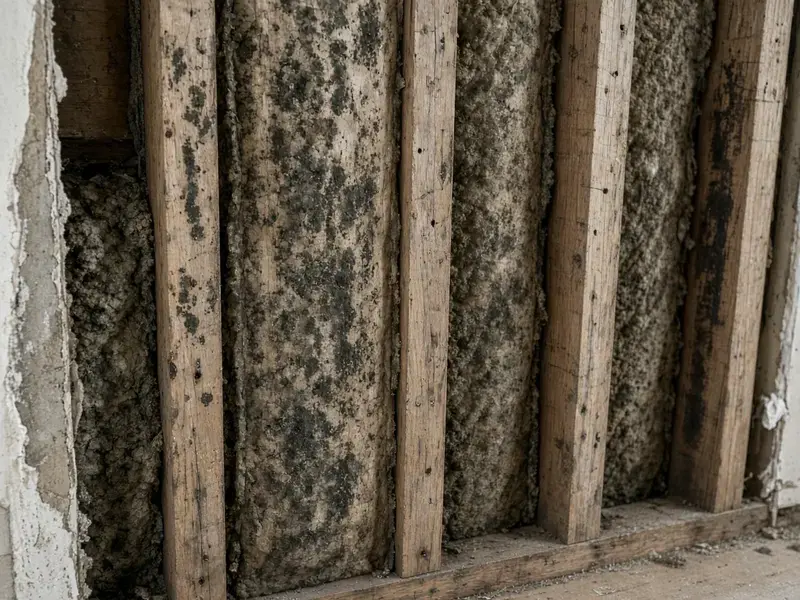
Water is the core of the work. Mold that follows a wet assembly, and fire or smoke jobs that leave a house wet from suppression, sit on the same truck. If a job is outside that scope, we say so before anyone starts cutting.

Common calls

Types of water damage jobs in Delta

Supply-line burst in a North Delta split-level

These houses often hide the main bath stack and a copper or early plastic supply in a wall that opens into both the upper hall and the lower family room. A pinhole or a failed shutoff dumps water into the joist bay. The ceiling below stains later than the carpet upstairs. We open the wet bay, pull insulation that is holding litres, and dry the subfloor before the oak or the laminate cups.

Washer supply hose on a Ladner slab

Laundry closets in Ladner ranchers sit on concrete. A braided hose that lets go runs across the slab and under the kick of the kitchen. There is no basement to catch it. Extraction is fast, then we check the wall plates and the bottom of the gypsum, which wick up even when the floor looks wiped.

Sump failure beside the high water table

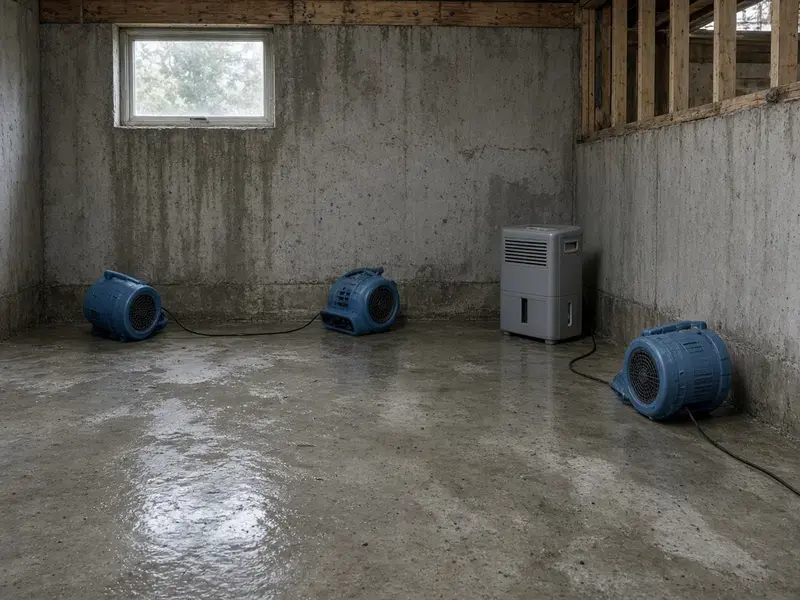
Parts of Delta and the neighbouring diked cities sit close to groundwater. A dead sump pump or a stuck check valve puts category 1 or 2 water on a basement floor in a night of rain. We pump, extract, and look at the sill and the bottom of the studs, not just the concrete.

Atmospheric river through a roof

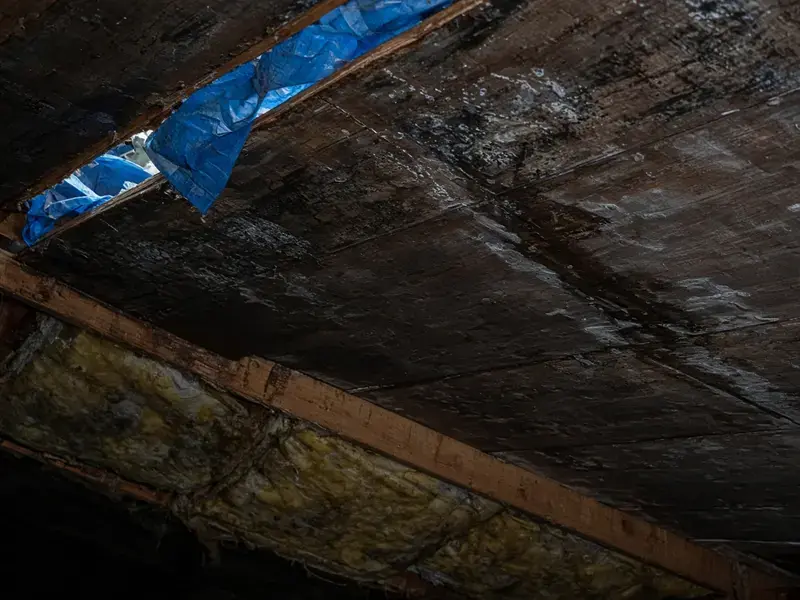
A multi-day rain finds a lifted shingle, a failed plumbing vent boot, or a valley. Water tracks along a rafter and shows up as a ceiling bubble two rooms over. The attic sheathing and the insulation under the drip are part of the loss, not only the paint stain.

Dishwasher or ice-maker line

A slow supply under a sink or behind a fridge wets the cabinet bottom, the particle board, and the wall behind the toe kick. It often looks like a small stain. The cabinet floor is usually already swollen. We meter the wall and the floor in front of the run before calling it small.

Toilet or main-line sewage backup

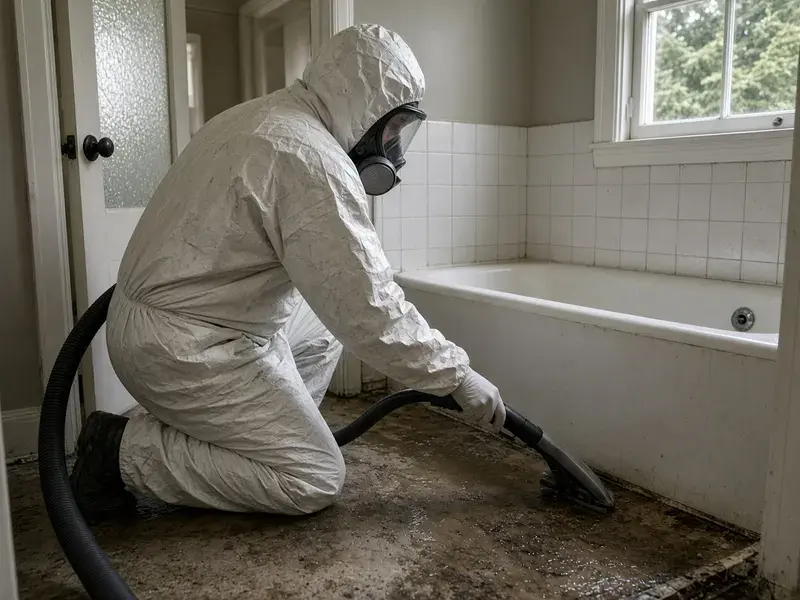
Category 3. Porous materials in the affected rooms come out. Containment stays up, negative air if the scope needs it, and a HEPA vacuum on the hard surfaces that remain. This is the job people try to mop. Mopping spreads it.

Hot water tank let-go in a garage or closet

A tank that splits dumps forty or fifty gallons in minutes, then keeps feeding if the supply is open. Garages in Tsawwassen and North Delta often share a wall with a living space. We follow the water under the door slab and into that wall.

Sprinkler or hose-bib burst on a commercial unit

A unit on Scott Road or in an industrial bay can take a failed domestic line or a sprinkler head. Contents go up on blocks or out on a pack-out list. The slab gets extracted, and the gypsum on demising walls gets metered on both sides when the strata allows access.

Know the terrain

High-risk flood and water damage areas in Delta

Delta's geography creates distinct flood patterns. Knowing which zone a house sits in shapes how we scope the job before we arrive.

Ladner

Diked floodplain

Sits inside the Ladner dike ring. High water table year-round. Slabs and crawl spaces collect groundwater when sump pumps fail or drains can't keep pace during multi-day rain.

North Delta

Split-level drainage

Sloped terrain means water from uphill lots runs toward lower split-level homes. Subfloor joist bays trap water silently — the ceiling stain often appears days after a pipe lets go.

Tsawwassen

Wind-driven rain & marine exposure

Exposed to Georgia Strait weather. Wind lifts shingles on south-facing roofs and drives rain under door thresholds. Ferry terminal corridor homes see storm entry more than the inland city.

Annacis Island

Industrial floodplain

Low-lying industrial land bounded by the Fraser. Stormwater and overland flooding risk in major rain events, with commercial units on slabs vulnerable to drain backups.

South Delta Farmland

Agricultural dike failure

Farmland pockets between Ladner and the US border rely on dike infrastructure. Abnormal Fraser River levels or dike maintenance gaps can push water into nearby residential lots.

Burns Bog Edge

Peat soil drainage

Homes near the bog edge sit on organic soils that hold saturation. Poor perimeter drainage and high seasonal groundwater make basement seepage and sump failure common after atmospheric rivers.

Technician extracting water from carpet in a Delta split-level, back turned, air mover nearby

Call us for your water damage situation. We're here to help.

Available 24/7 across Delta, Ladner, Tsawwassen, and North Delta. One call gets a coordinator on the line, not a queue.

604-239-4876Get an assessment